
Best Aesthetic Providers in Michigan
38 independently evaluated and peer-recognized aesthetic providers in Michigan.
2026 edition · Updated November 2026
Michigan spelled out what estheticians may do in a law that took effect in 2025. Here are the Michigan injectors, plastic surgeons, estheticians and laser specialists EAG rates highest.
Top Injectors in Michigan
Michigan injectors work within delegation and prescribing rules: PAs practice under a practice agreement with a participating physician, and APRNs may prescribe nonscheduled prescription drugs.

Giancarlo F. Zuliani
MD
Injector
Top 10 Injector in Michigan
Zuliani Facial Aesthetics
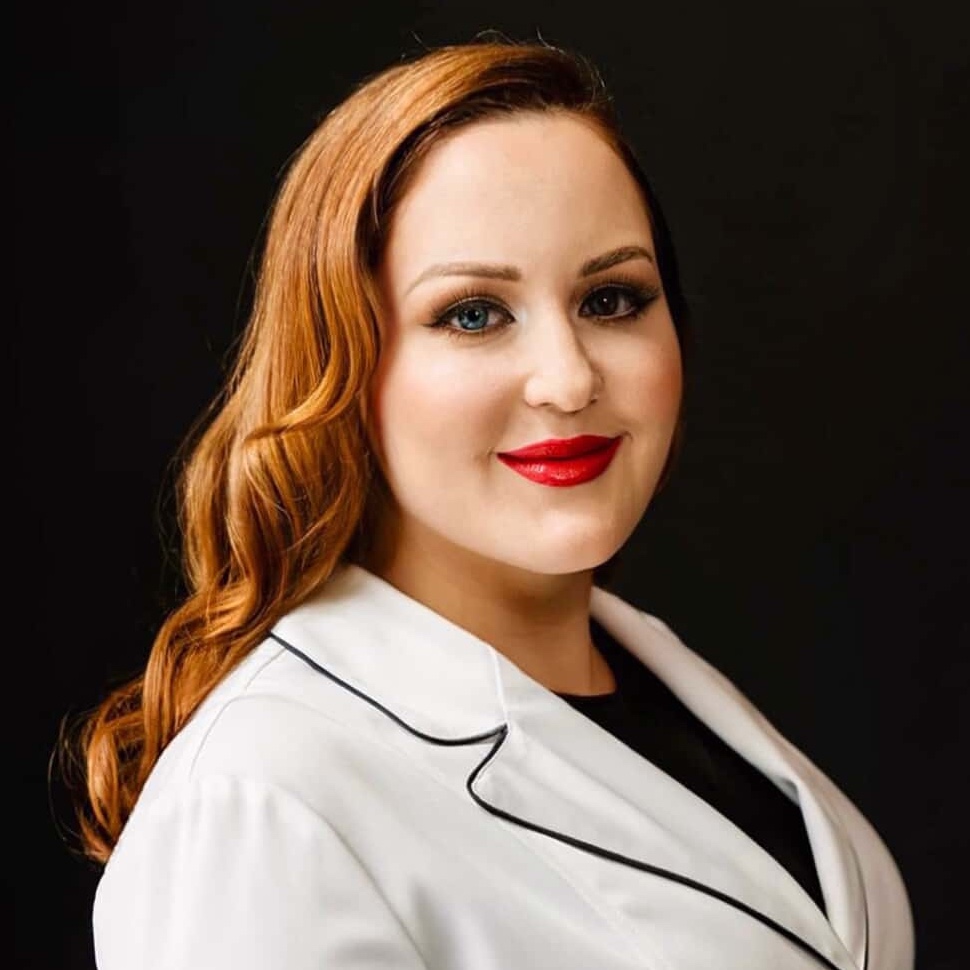
Nanette Nawrot
PA-C
Injector
Top 10 Injector in Michigan
Birmingham Skin & Hair Aesthetics (BSHA)
Crystal Kherkher
PA-C
Injector
Top 10 Injector in Michigan
Cosmetic Skin & Laser Center
Ruth Kuczma
DMS, MPAS, PA-C
Injector
Top 10 Injector in Michigan
Aesthetic Atelier Med Spa & Wellness
About aesthetic care in Michigan
Michigan's 2025 esthetician law
Michigan rewrote its esthetician scope in 2024. Public Act 160 of 2024 (House Bill 5684) was approved on December 3, 2024, and its changes to the Occupational Code took effect April 2, 2025. In Michigan law an esthetician is simply an individual who performs or offers to perform skin care services, and the law now lists those services.
A licensed esthetician may, among other things:
- Beautify, cleanse or stimulate the skin using hands, devices or noninvasive light.
- Remove hair temporarily using hands-only techniques.
- Give facials and apply makeup and lashes, but not permanent makeup or tanning equipment other than spray tan equipment.
- Exfoliate only the dead skin cells, including through dermaplaning or microdermabrasion.
- Perform nonmedical grade hydrodermabrasion and nonmedical grade chemical peels. Estheticians licensed before the 2025 change need documented training before offering hydrodermabrasion.
- Offer high-frequency treatment, facial cupping, eyebrow lamination and tinting, and eyelash extensions and tinting.
Where applicable, these services must be limited to the stratum corneum, the outermost layer of skin. Eyebrow tint must use a product that lasts no more than 6 weeks. Estheticians must also follow the Public Health Code's medical waste rules, and the state must write rules to carry out the law within 18 months.
Training also went up: new estheticians who began training on or after July 1, 2024, need at least 750 hours, compared with at least 400 hours before. Michigan has no advanced or master esthetician license, and "medical esthetician" is a job title rather than a license.
Light treatments have a clear limit
The esthetician law allows only noninvasive light therapy that is FDA-approved and intended not to penetrate the living layers of skin. LED light therapy is named among the low-risk class 1 devices. Light therapy that goes deeper falls outside the esthetician license. Michigan law separately treats electrology, the permanent removal of hair using electricity, as its own cosmetology service.
When you book laser hair removal, IPL or resurfacing, ask who will operate the device, what license they hold and which physician or other prescriber oversees the treatment.
Who gives tox and dermal fillers
For tox (neurotoxins; FDA-approved cosmetic brands include Botox Cosmetic, Dysport, Xeomin, Jeuveau, Daxxify and Letybo) and dermal fillers, EAG did not find a Michigan rule written specifically for injectables. These general Public Health Code rules are the relevant starting point.
- Delegation: Subject to limits in the law and board rules, a licensed professional may delegate selected tasks within their own scope to a licensed or unlicensed person qualified by education, training or experience, performed under the licensee's supervision. Tasks that need the licensee's own level of education, skill and judgment cannot be delegated.
- Physician assistants may practice only under a practice agreement, which sets out how the PA and the participating physician communicate, stay available and make decisions.
- Advanced practice registered nurses (APRNs) may prescribe nonscheduled prescription drugs; controlled substances only as a delegated act of a physician.
A useful question at a consultation: who is the supervising or prescribing clinician for your treatment?
How EAG covers Michigan
EAG independently evaluates injectors, plastic surgeons, estheticians and laser specialists across Michigan, and payment never affects placement. Legal summaries here are general information, not legal advice; rules change, so confirm any provider's license with LARA's Verify a License or Registration search and the board before you book.
Frequently asked questions
What can a Michigan esthetician do?
Since April 2, 2025, Michigan law lists esthetician services, including dermaplaning, microdermabrasion, nonmedical grade chemical peels and hydrodermabrasion, high-frequency treatment, facial cupping, and brow and lash services. Estheticians licensed before that date need documented training for hydrodermabrasion. Where applicable, services must be limited to the stratum corneum, the outermost layer of skin.
Can a Michigan esthetician do laser treatments?
Estheticians may use only noninvasive light therapy that is FDA-approved and intended not to penetrate the living layers of skin; the law names LED light therapy as a class 1 device. Ask who operates any deeper laser or energy device and who oversees it.
Who can give tox and dermal fillers in Michigan?
EAG did not find a Michigan rule written specifically for injectables, so general rules are the starting point. Licensed professionals may delegate selected tasks within their scope to qualified people under their supervision, subject to limits; PAs practice under a practice agreement with a participating physician; and APRNs may prescribe nonscheduled prescription drugs.
How much training does a Michigan esthetician need?
At least 750 hours for anyone who began training on or after July 1, 2024, and at least 400 hours before that. Michigan has no advanced or master esthetician license.
How do I check a Michigan provider's license?
Use LARA's Verify a License or Registration search to confirm the license type and status. Rules change, so confirm details with the licensing board.
Sources
- MCL 339.1210, esthetician qualifications and skin care services (Michigan Legislature)
- 2024 Public Act 160 (Enrolled House Bill 5684) (Michigan Legislature)
- MCL 339.1201, Occupational Code cosmetology definitions (Michigan Legislature)
- MCL 333.16215, Public Health Code delegation (Michigan Legislature)
- MCL 333.17047, physician's assistant practice agreement (Michigan Legislature)
- MCL 333.17211a, APRN prescribing (Michigan Legislature)
- Michigan LARA Verify a License or Registration